

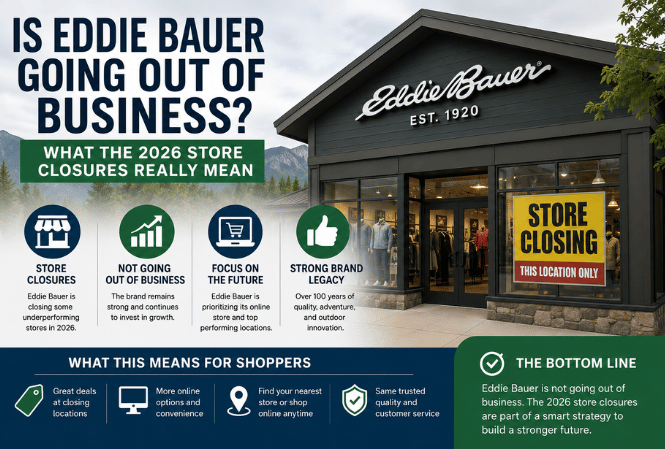
Is Eddie Bauer going out of business? Its North American retail store operator filed for Chapter 11 bankruptcy and moved to close all remaining physical stores in the United States and Canada. However, the Eddie Bauer brand itself has not disappeared. Online sales, wholesale distribution, manufacturing, and some international operations are controlled separately and can continue.
That distinction matters. Shoppers may no longer find an Eddie Bauer store at their local mall, but the name can remain on jackets, outdoor clothing, and other products sold online or through retail partners.
| Question | Current answer |
| Is Eddie Bauer Going Out of Business? | Yes. The North American retail operator moved to close all remaining U.S. and Canadian locations. |
| Did the company file for bankruptcy? | Eddie Bauer LLC, the entity operating the stores, filed for Chapter 11 on February 9, 2026. |
| Is the website shutting down? | No. Online sales are operated separately from the bankrupt store business. |
| Will Eddie Bauer products still be sold? | Yes. Products may remain available online, through wholesale partners, and in some international markets. |
| Did a buyer save the stores? | No qualified offer was received before the scheduled bankruptcy auction. |
| Is the entire brand being liquidated? | No. The bankruptcy covered the North American brick-and-mortar retail operation, not every part of the brand. |
Is Eddie Bauer Going Out of Business Completely?
No. The most accurate answer is that Eddie Bauer’s physical retail operation in the United States and Canada went out of business, while other parts of the brand remained active. Eddie Bauer LLC filed for Chapter 11 bankruptcy protection on February 9, 2026. The filing affected the business responsible for operating the branded stores across North America.
Court records identified roughly 174 to 175 remaining locations during the bankruptcy process. The company initially hoped to find a buyer that would acquire some or all of the store network. That effort did not produce a qualified bid by the deadline. Eddie Bauer then canceled the planned March 6 bankruptcy auction and continued closing sales at every physical location.
The bankruptcy did not include Eddie Bauer’s separately operated online, wholesale, apparel-manufacturing, or international businesses. Those divisions were controlled through different ownership and licensing arrangements.
What Happened to Eddie Bauer Stores?
The North American store operator began going-out-of-business sales after filing for bankruptcy. At the start of 2026, the retail network reportedly included about 220 stores. Some leases ended before the bankruptcy filing, leaving approximately 175 locations in the United States and Canada under the formal wind-down plan.
The operator hoped a buyer might preserve part of the chain. When no acceptable offer arrived, the scheduled auction was canceled. The company also hired a real-estate adviser to market 174 store leases across 40 U.S. states and six Canadian provinces.
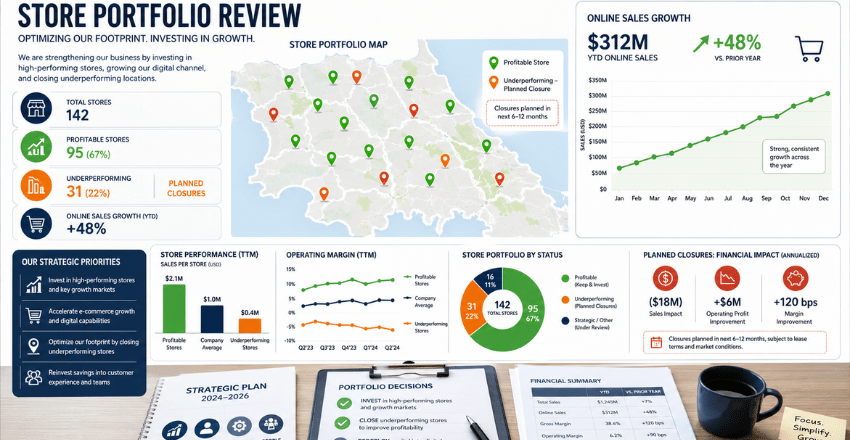
This means the familiar mall and outlet version of Eddie Bauer has ended in North America unless a future licensee opens new locations. A later revival is possible, but it would be a new retail strategy rather than a continuation of the bankrupt store operation.
Why Did Eddie Bauer File for Bankruptcy?
Court filings and company statements pointed to several pressures rather than one isolated problem.
Declining store sales
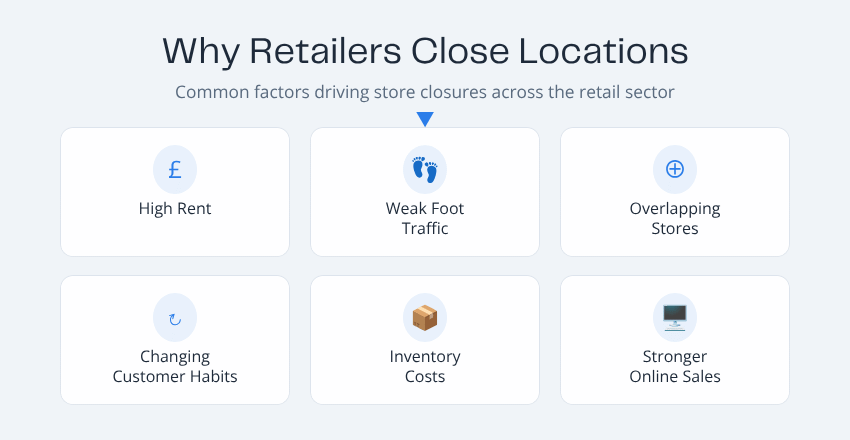
Eddie Bauer’s retail operation experienced an extended period of falling sales. Shopping habits have shifted toward online purchasing, while traditional mall-based apparel chains have faced lower foot traffic.
Rising operating expenses
Physical stores carry high costs. Rent, staffing, utilities, inventory handling, and distribution expenses can become difficult to support when revenue declines.
Supply-chain problems
The company also cited supply-chain challenges. Delayed products, higher transportation expenses, and inventory imbalances can reduce margins and leave stores with unwanted seasonal merchandise.
Inflation and tariff uncertainty
Inflation raised many operating and merchandise costs. Uncertainty surrounding U.S. tariffs also complicated purchasing and pricing decisions for an apparel company dependent on global production.
Heavy debt
Reuters reported that Eddie Bauer LLC entered bankruptcy with about $1.7 billion in debt. That financial burden made a conventional recovery more difficult and increased the need for a court-supervised restructuring or sale.
The case shows why a recognizable name does not always protect a store network. A brand can retain customer awareness while the company operating its locations becomes financially unsustainable.
Who Owns the Eddie Bauer Brand?
Authentic Brands Group owns Eddie Bauer’s intellectual property, including its name and trademarks. The physical stores were operated under a licensing arrangement by Eddie Bauer LLC, an entity associated with Catalyst Brands. That operator paid for the right to use the name at its North American locations.
Before the store bankruptcy, the brand’s e-commerce and wholesale licenses were transferred to another operator. This separation allowed online sales and non-store distribution to continue despite the collapse of the physical retail network.
This licensing structure explains the situation:
| Part of the business | Bankruptcy impact |
| U.S. and Canadian stores | Included in the closure process |
| Eddie Bauer website | Operated separately and expected to continue |
| Wholesale products | Not part of the store bankruptcy |
| Apparel manufacturing | Not part of the store bankruptcy |
| International stores | Generally outside the North American filing |
| Brand name and trademarks | Still owned by Authentic Brands Group |
Consumers often think a brand, its stores, its website, and its products are one company. Modern licensing arrangements can divide them among several businesses.
Can You Still Shop at Eddie Bauer Online?
Yes. The online business was not included in the North American store operator’s bankruptcy. Customers may still find clothing and outdoor products through the official website or approved wholesale retailers. Product selection, shipping policies, loyalty programs, and return terms may differ from those offered by the former physical stores.
You should review the seller’s current policies before ordering, especially when buying an item that was previously available through a local location. A functioning website does not mean the stores have reopened. It means the digital license and sales operation survived separately.
What Happened to Gift Cards and Returns?
Customers were given a limited period to use store gift cards and loyalty benefits during the liquidation. Retail Dive reported that gift cards would no longer be accepted after the court-approved deadline. Returns and refunds at closing stores were also restricted as the liquidation progressed.
Those deadlines occurred during the spring 2026 wind-down. A customer holding an older card should not assume it remains valid online because the website is managed by a different operating entity.
The safest steps are:
- Check the terms printed on the card.
- Contact the current online customer-service team.
- Keep receipts and order confirmations.
- Confirm whether the card was issued by the store operator or the online business.
- Avoid relying on policies that applied before the bankruptcy.
Bankruptcy proceedings often create strict claim and redemption deadlines. Missing them may limit a customer’s options.
Has Eddie Bauer Filed for Bankruptcy Before?
Yes. The 2026 case was not the first financial restructuring connected to the outdoor brand. Eddie Bauer previously went through bankruptcy-related proceedings in 2003 and 2009 under earlier ownership structures. The company changed hands several times afterward, and Authentic Brands Group became an owner of the brand in 2021.
The latest filing involved the licensed retail-store operation rather than a simple repeat of the earlier corporate structure. That difference is important when comparing the cases. Despite its financial history, the brand has remained recognizable because its intellectual property, product designs, and licensing rights could be sold or reassigned after each restructuring.
Will Eddie Bauer Ever Open Stores Again?
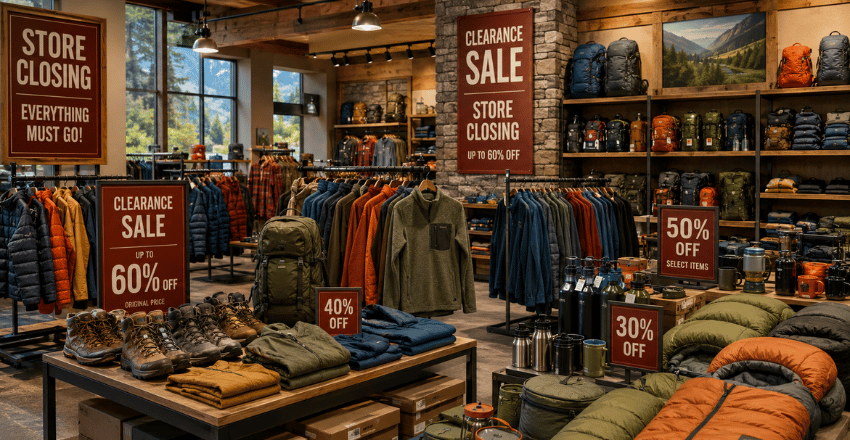
There has been no confirmed announcement that a new nationwide Eddie Bauer store chain will replace the closed locations. The brand owner could license physical retail rights to a new partner in the future. A licensee could also test smaller stores, temporary locations, outlet partnerships, or shop-in-shop displays inside larger retailers.
None of those possibilities should be treated as confirmed plans. For now, shoppers should expect Eddie Bauer to operate mainly through online sales, wholesale distribution, and licensing rather than a large company-operated North American store network.
What the Closures Mean for Employees
Closing roughly 175 stores affects retail workers, store managers, regional employees, landlords, suppliers, and local shopping centers. Store employees may receive information about final wages, benefits, severance, or employment records directly from the bankrupt operator. Their rights can vary by location and employment status.
Former workers should retain:
- Pay statements and tax records
- Benefits information
- Employment agreements
- Contact details for the bankruptcy administrator
- Written notices about store closure dates
- Records of unpaid wages, expenses, or commissions
Thinkomics readers navigating a job change can also explore the site’s broader career-advice resources, although that section did not yet contain specific retail-bankruptcy guidance when reviewed.
What Eddie Bauer’s Closure Says About Retail?
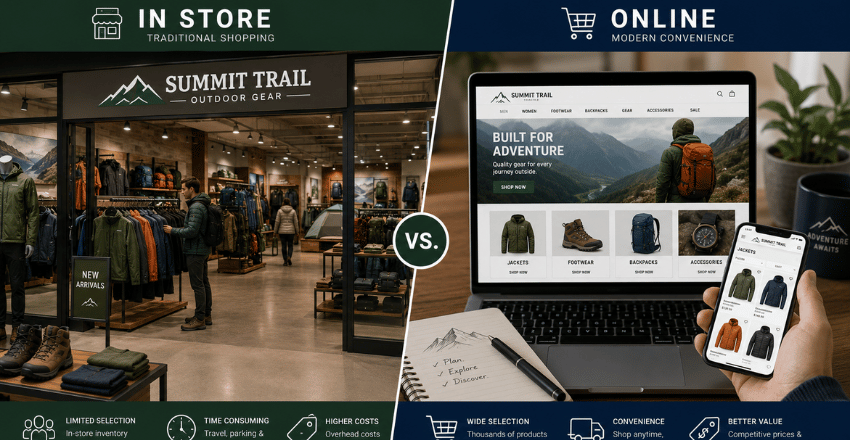
The case demonstrates that the future of a brand can be different from the future of its stores.
Physical retail depends on lease costs, inventory productivity, staffing, local traffic, and sufficient sales per location. E-commerce relies on a different cost structure. Licensing can separate a valuable brand name from an unprofitable store network.
This creates three possible outcomes when a retailer struggles:
- The entire company closes. Stores, websites, and product sales end together.
- The company restructures. Some locations close while the remaining business continues.
- The stores close, but the brand survives. Online, wholesale, or licensed products remain available.
Eddie Bauer fits the third pattern. Its physical North American chain closed, but its intellectual property and other distribution channels continued.
Frequently Asked Questions
Its U.S. physical store operator went out of business and closed its remaining locations. The brand can still sell products online and through other retailers because those operations are separate.
The bankruptcy plan covered the remaining branded stores operated in the United States and Canada. International stores and future licensed locations are separate matters.
Declining sales were one factor, but the operator also cited supply-chain problems, inflation, operating expenses, debt, and tariff uncertainty.
The website can remain legitimate because it is managed separately from the bankrupt store operator. Confirm that you are using the official site before entering payment information.
Store-liquidation return deadlines have passed. Contact the current customer-service team, but online operators may not accept merchandise purchased from the former retail entity.
Authentic Brands Group owns the brand and its intellectual property. Separate licensees may operate online sales, wholesale distribution, manufacturing, or stores in different markets.
Not necessarily. The products can remain available through e-commerce, wholesalers, department stores, and international licensees even without a large North American store chain.
The Bottom Line
Is Eddie Bauer Going Out of Business? Eddie Bauer’s North American physical-store business closed after its operator filed for Chapter 11 bankruptcy and failed to find a buyer. However, that does not mean the entire Eddie Bauer brand vanished.
The Eddie Bauer name, website, wholesale business, manufacturing arrangements, and certain international operations exist outside the bankrupt store entity. Customers should expect fewer physical shopping options but may continue seeing the brand online and through retail partners.
For more plain-language educational explainers, readers can browse the latest resources published by Thinkomics.